Welcome To The Perfume World
Best Perfume Creations:
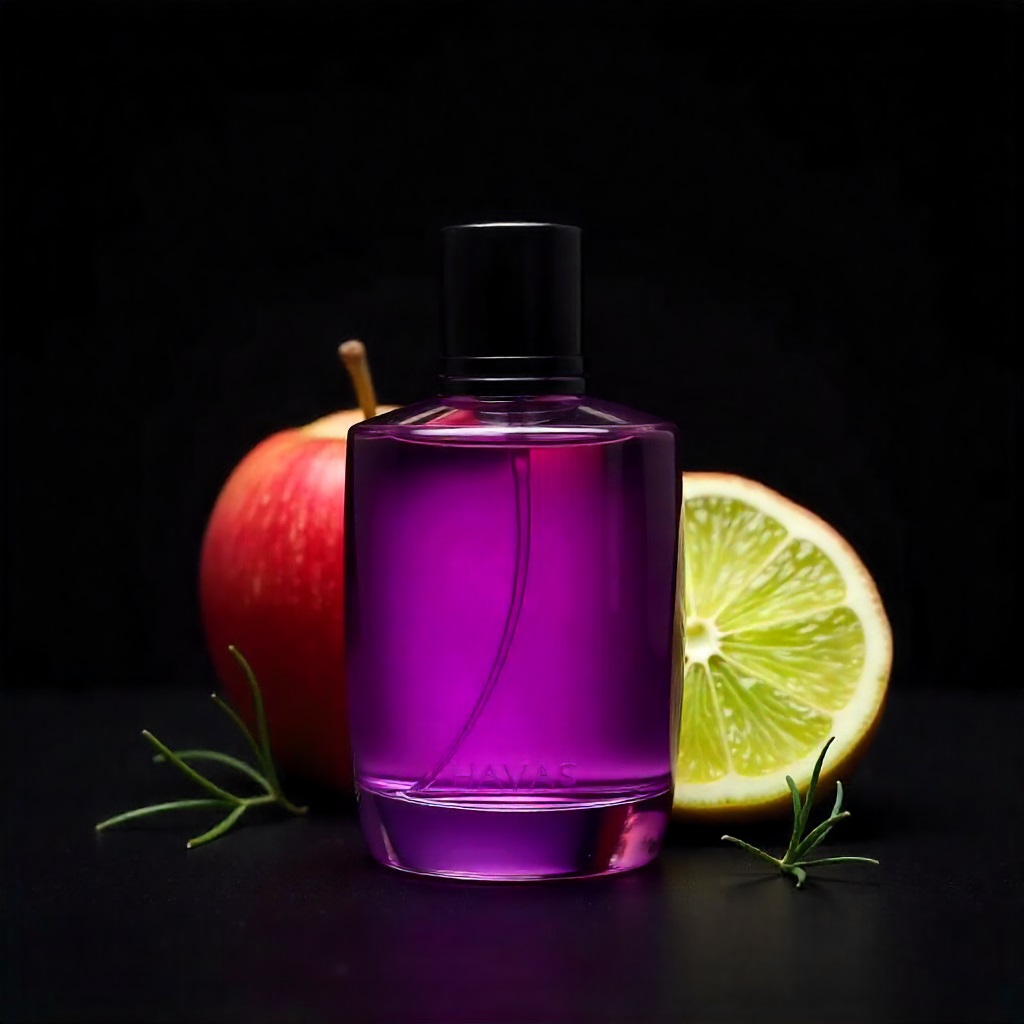
best perfume Rasasi Havas for Him this Perfume opens with a vibrant burst of Italian bergamot, crisp apple, zesty lemon, and a hint of cinnamon, delivering an energizing and sophisticated introduction. The heart reveals a refreshing aquatic accord, intertwined with juicy plum, delicate orange blossom, and spicy cardamom, adding depth and an exotic allure. As it settles, the base notes of ambergris, clean musk, driftwood, and earthy patchouli create a magnetic, long-lasting trail that exudes masculinity and elegance. This fresh, woody scent is further enriched with subtle nuances of pear and pineapple, striking a perfect balance between citrusy brightness and warm sensuality. if you like to explore Perfume then welcome to the perfume world.
Cred Aventus is a fruity-chypre fragrance for men, created by Jean-Christophe Hérault and Erwin Creed, and released in September 2010 as part of Creed’s 250th anniversary celebration.
The fragrance was inspired by Napoleon Bonaparte, with ingredients symbolizing key aspects of his life—blackcurrants from Corsica, his birthplace, and birch from Louisiana, which he once ruled.
The name “Aventus” is derived from the Latin “a” (from) and “ventus” (the wind), symbolizing a man destined to live a driven life, galloping with the wind at his back toward success.
Paco Rabanne 1 Million Parfum is a woody leather fragrance for men, released in 2020, created by perfumers Quentin Bisch and Christophe Raynaud.
It is classified as a parfum (extrait de parfum) with a high concentration of fragrance oil, resulting in strong projection and longevity, lasting between 10 to 12 hours on the skin.
The fragrance was inspired by an accidental spill during a vacation, when a bottle of sunscreen and a sample of cistus broke in perfumer Quentin Bisch’s leather bag, creating a divine scent that became the foundation for the fragrance.
History Of Purfume
History of Perfume
Perfume has played a significant role in human civilization for thousands of years. The term perfume originates from the Latin words per fumum, meaning “through smoke,” reflecting the early practice of burning aromatic substances during religious rituals. Over time, perfume evolved from sacred use to personal adornment and artistic expression.
The earliest evidence of perfume-making dates back to ancient Mesopotamia around 4000 BCE. Archaeological findings reveal that resins, woods, and oils were burned as offerings to the gods. One of the earliest known perfumers was Tapputi, a Mesopotamian chemist who developed techniques for extracting and blending fragrances using flowers, oils, and herbs. These early methods laid the foundation for later advancements in perfumery.
In ancient Egypt, perfume held both religious and social importance. Egyptians believed fragrances were divine gifts and used them in temples, daily grooming, and burial practices. Perfumed oils made from ingredients such as myrrh, frankincense, cinnamon, and lotus were widely used. Perfume was essential in mummification rituals, symbolizing purification and eternal life. Both men and women wore scented oils, and perfume was considered a marker of wealth and status.
The knowledge of perfume-making spread to ancient Greece, where fragrances were associated with beauty, philosophy, and medicine. Greek scholars studied the effects of scent on the body and mind, while athletes and citizens used perfumes after bathing. The Romans later expanded the use of perfume throughout their empire. They scented their homes, baths, clothes, and even public spaces. Extensive trade networks allowed Romans to import exotic ingredients from Asia and Africa, making perfume a common luxury among the elite.
During the Islamic Golden Age between the 8th and 13th centuries, perfumery experienced major scientific advancements. Muslim scholars refined distillation techniques, enabling the production of alcohol-based perfumes. The Persian scientist Avicenna was instrumental in developing the distillation of rose water and essential oils, innovations that greatly influenced modern perfumery. Perfume was also closely tied to cleanliness and spirituality in Islamic culture.
In medieval Europe, perfume was often used to mask unpleasant odors due to poor sanitation. Many people believed fragrant substances could protect against diseases such as the plague. Aromatic herbs, pomanders, and scented gloves became popular. The Renaissance marked a revival of perfume artistry, particularly in Italy. Florence became a center of perfume production, and when Catherine de’ Medici married into the French royal family, she introduced Italian perfumers to France.
By the 17th and 18th centuries, France emerged as the leading center of perfumery. The town of Grasse became famous for cultivating flowers and producing fragrance oils. Advances in chemistry during the 19th century led to the creation of synthetic ingredients, transforming the perfume industry. These innovations allowed perfumers to create longer-lasting scents and expand fragrance production.
In the 20th century, perfume became closely associated with fashion and personal identity. Designer fragrances and mass production made perfumes accessible worldwide. Today, perfumery combines tradition, science, and creativity, continuing its long journey from ancient rituals to a global cultural industry.
The Morden Perfume
Modern Perfume: An Overview
Modern perfume represents the evolution of fragrance from traditional, nature-focused scents to complex, innovative compositions designed for contemporary lifestyles. It reflects changes in technology, fashion, culture, and personal expression. Today, perfume is not only a beauty product but also a form of identity, mood enhancement, and artistic statement.
One of the defining features of modern perfume is its use of both natural and synthetic ingredients. While classic perfumes relied heavily on flowers, resins, spices, and woods extracted directly from nature, modern perfumery uses advanced aroma molecules created in laboratories. These synthetic ingredients allow perfumers to design scents that are cleaner, longer-lasting, more stable, and sometimes impossible to obtain naturally. For example, airy, metallic, marine, or abstract notes are a hallmark of modern fragrance design and reflect contemporary tastes.
Modern perfumes are often structured to suit fast-paced lifestyles. Many focus on freshness, versatility, and comfort, making them suitable for daily wear at work, social events, or casual settings. Popular scent families include citrus, aquatic, green, woody, musky, and gourmand fragrances. Gourmand perfumes, which feature edible-inspired notes such as vanilla, caramel, chocolate, or coffee, are especially popular in modern perfumery because they evoke warmth and emotional comfort.
Another important aspect of modern perfume is individuality. Unlike earlier eras when a few signature scents dominated, today’s fragrance market offers countless options catering to different personalities, ages, and preferences. Unisex perfumes have become especially popular, challenging traditional gender boundaries. These fragrances focus on balance and creativity rather than being strictly “for men” or “for women.”
Sustainability and ethics also play a growing role in modern perfumery. Many brands are now mindful of environmental impact, sourcing ingredients responsibly and reducing waste. Advances in synthetic chemistry help protect endangered plant species by replacing rare natural materials with safe alternatives. Modern consumers are increasingly interested in cruelty-free production, recyclable packaging, and transparency in ingredient use.
Technology has further shaped modern perfume through innovation in production and marketing. Digital tools allow perfumers to experiment with scent formulas more efficiently, while artificial intelligence is sometimes used to analyze fragrance trends and consumer preferences. Social media and online communities influence how perfumes are discovered and perceived, making fragrance culture more global and interactive than ever before.
In essence, modern perfume is a blend of science, art, and emotion. It honors traditional perfumery while embracing innovation and social change. Whether designed to feel fresh and minimal or bold and experimental, modern perfumes are created to resonate with contemporary values and lifestyles, making them an essential part of personal expression in today’s world. the notes are main thing in perfume